
Introduction: A Technical Lens on Mid-Shift Slowdowns
Here is a scene you know well: the shift is steady, orders rise, and the aisles feel tight. Your robotics software is online, the dashboards glow green, yet throughput begins to dip by noon. With warehouse automation and software, the promise is smooth flow, but the floor tells another story. We see 12% re-routes, idle AMR queues, and planners running manual overrides. The root is not a bad robot. It is a brittle control loop. Scripts push work in batches. The WMS hands off late. Edge triggers fire twice. It looks busy—funny how that works, right?—but goods do not move faster. If the system is always “on,” why does the line still stall?
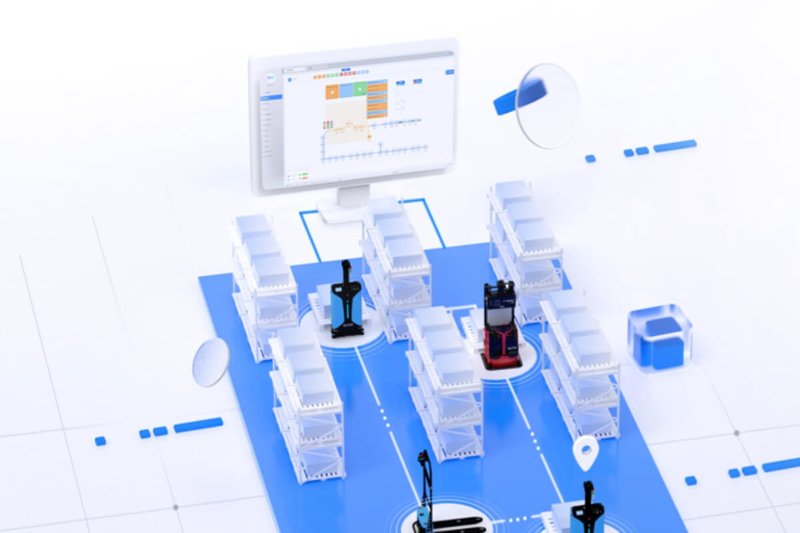
Why do old fixes crack under load?
Traditional fixes add more rules, more scripts, and more alerts. In peak windows, these rules collide. A real-time scheduler tries to assign tasks while stale SLAs and zone caps block it. AMR fleet logic gets flooded, and edge computing nodes cannot arbitrate the queue. Look, it’s simpler than you think: batch logic hates change, and warehouses are change. Pallet heights shift, pick waves spike, docks open late. The software was built to chase exceptions, not prevent them. This is the hidden tax you pay in delay, back-tracking, and human rework. Shall we compare a different path that treats flow as a live system, not a patchwork? Let us move to the next layer.
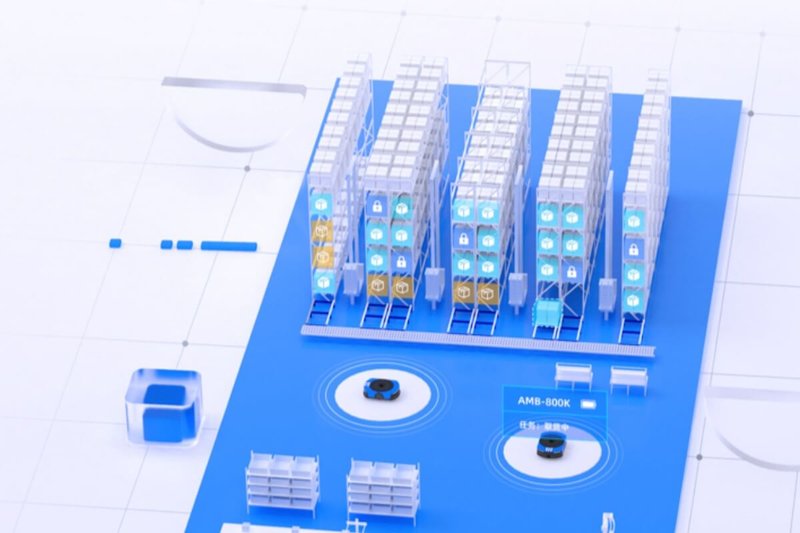
From Reactive Patches to Event-Driven Flow
Comparing old scripts to modern orchestration is not style; it is physics. Scripts wait, then shove. Event-driven systems listen, then nudge. New stacks in warehouse automation and software adopt publish-subscribe signals, lightweight contracts, and constraint checks at the edge. Orders become events. Inventory becomes state, not a file dump. The real-time scheduler uses a digital twin to forecast travel time by lane and load. ROS 2 messages map sensor truth to task intent. When a lane jam lingers, backpressure stops upstream picks—no shouting, just math. This reduces oscillations and cuts re-routes before they start. It feels calm because the graph is stable (and that is okay).
Real-world Impact
Think of two sites with the same volume. Site A runs batch waves, five-minute releases, and zone locks. Site B runs event-driven orchestration with micro-batches and soft caps. Site A shows busy robots and tired people. Site B shows even flow and short queues. Why? Site B resolves conflicts at the source: edge rules absorb variance, and the twin tests moves before time hits steel. You still keep your WMS, but hand off only what the floor can accept now. The result is fewer deadheads, smoother merges, and stable SLAs under stress. In short, we move from reaction to prevention—quietly.
If you must choose a path, use three metrics to guide you. One, flow stability: measure re-routes per 1,000 tasks and variance of cycle time across hours. Two, decision latency: track time from event to assignment on the AMR fleet, not just API speed. Three, adaptability: count configuration changes applied without code, including zone rules and dock priorities. These tell you if the system bends or breaks when the day gets loud. Keep the focus on outcomes, not features, and your floor will thank you—with fewer alarms and calmer shifts. Learned well, these principles make a busy warehouse feel simple. For more context and engineering viewpoints, you may explore SEER Robotics.