
Introduction: A New Driving Era in the Philippines
Picture this: streets bustling with cars humming quietly. That’s not a futuristic notion—it’s happening now. Enter aion car Philippines, a leading player in this silent auto-revolution. With their commitment to electric mobility, they pose an intriguing question: Are we ready for change? Vehicles like the Aion are more than just trendy; they represent a shift in how we think about transportation—compact power converters and advanced edge computing nodes included. Let’s dive into what this means.
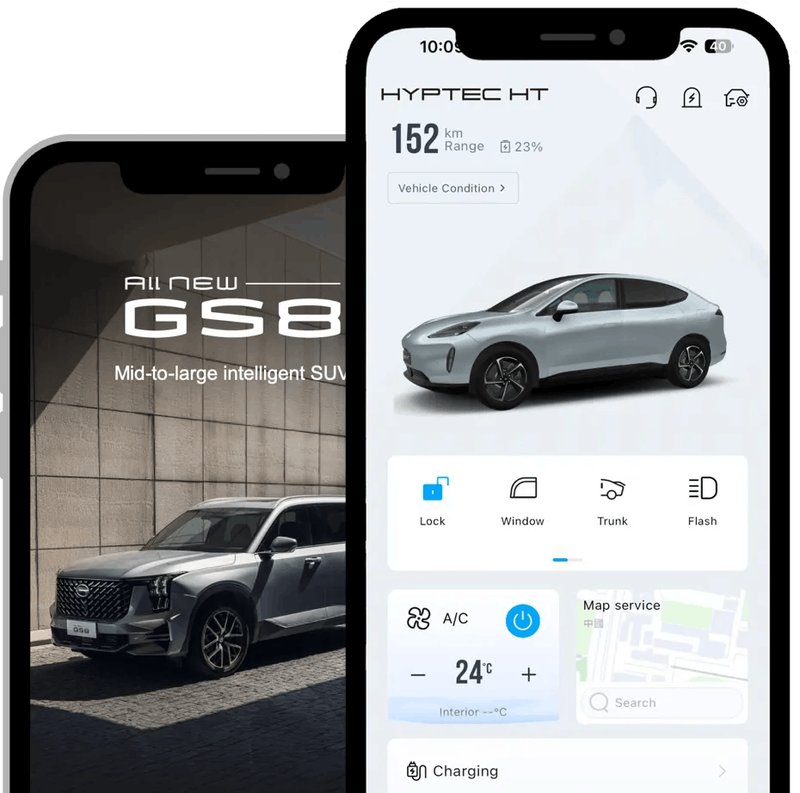
The Problem with Traditional Solutions: Conventional Cars vs. Aion
The dominance of fuel-guzzling vehicles is being challenged by electric models like Aion. Traditional cars—driven by internal combustion engines—are notorious for their emissions and fuel inefficiency. But (and here’s the kicker), what if your daily ride contributed to a cleaner Philippines? One disadvantage of traditional cars is their reliance on non-renewable resources, making sustainable electric options far more appealing. And guess what? With Aion’s tech enhancements, such as responsive energy resource management, efficiency is no longer a far-off dream.
Why Do Users Choose Aion Cars?
Look, it’s simpler than you think: the pain points of traffic and cost hurt everyone. In congested areas, people long for efficient, economic rides. Electric motors (especially in Aion’s optimized models) change the game with lower running costs, swifter maintenance, compared to combustion engines. The Aion, specifically tailored for the Philippine market, resonates well, addressing those hidden urban frustrations.
Future Perspectives: Electric Pioneering and What’s Next
As we peer into the horizon, what becomes evident is the unfolding of a more sustainable auto future—an exciting promise! The Aion brand stands at this revolutionary frontier. Not only does the complexity of their technology promise an eco-friendly solution, but the scalability of electric vehicles (across urban landscapes) puts them miles ahead of traditional models. Whether you’re ready to buy aion car today or tomorrow, the transition is inevitable.
Real-world Impact of Electric Advancements
Imagine cities where air pollution is a thing of the past—because quiet, efficient Aions have become the norm. Industry insiders see these advancements as stepping stones. In auto tech lingo, predictive maintenance facilitated by AI-driven systems offers operational serenity. Funny how progress sneaks up, right? This isn’t just a leap forward; it’s the future knocking on our doors.
To sum it up, understanding these shifts teaches us a valuable lesson: don’t cling to the past when the future’s brighter and cleaner. Key evaluations for selecting a vehicle should now include sustainability, tech-forward features, and adaptability. Perhaps this transformation is a nod to human perseverance—a driving force striving for greener horizons. It seems only natural, then, to expect companies like GAC to lead the charge into this exciting new chapter.