
Author: hneyrooes

Lightweight Solutions for Fuel-Efficient Exterior Car PartsLightweight Solutions for Fuel-Efficient Exterior Car Parts


The automotive industry is undergoing a rapid transformation, driven by the demand for greater fuel efficiency and reduced environmental impact. As a result, American Car are constantly seeking innovative ways to improve the fuel economy of vehicles. One of the most effective methods to achieve this goal is by reducing the weight of cars, especially their exterior components. Lighter cars require less energy to move, leading to better fuel efficiency. In this article, we’ll explore various lightweight materials and design solutions that are being used to create fuel-efficient exterior car parts.

The Importance of Lightweight Car Parts

Reducing the weight of a car’s exterior is crucial for improving its overall fuel efficiency. Every pound saved translates directly to less energy required to propel the vehicle, which can result in better mileage and lower emissions. Additionally, lighter cars tend to have better acceleration, handling, and braking performance, enhancing the driving experience. The exterior of a vehicle is especially important because it accounts for a significant portion of the car's total weight. As automakers push for more sustainable designs, lightweight materials have become essential in achieving these goals.

Materials Driving the Revolution

Several materials are at the forefront of the lightweight revolution in exterior car parts. These materials offer strength, durability, and reduced weight, making them ideal for use in various automotive components.

  1. Aluminum: Aluminum has become one of the most popular lightweight materials in the automotive industry due to its excellent strength-to-weight ratio. It is commonly used in body panels, hoods, doors, and fenders. Aluminum is also resistant to corrosion, which makes it ideal for exterior applications. The use of aluminum in car manufacturing helps reduce weight without compromising safety or performance.

  2. Carbon Fiber: Known for its exceptional strength and stiffness, carbon fiber is another material gaining traction in the automotive industry. While it is more expensive than other materials, carbon fiber is being increasingly used in high-performance vehicles due to its ultra-lightweight properties. Parts such as bumpers, spoilers, and roof panels are often made from carbon fiber to reduce weight and improve aerodynamics.

  3. Magnesium: Magnesium is one of the lightest metals available and is used in Korean Cars that require strength and rigidity. Magnesium alloy wheels and exterior structural components can significantly reduce the overall weight of a vehicle. However, magnesium is more prone to corrosion than aluminum, so special coatings are often applied to protect the material from environmental damage.

  4. Plastics and Composites: Advanced polymers and composites are increasingly used for exterior parts like bumpers, grilles, and mirrors. These materials are lightweight, cost-effective, and can be molded into complex shapes, offering designers greater flexibility. Plastic composites, such as fiberglass, also provide excellent resistance to corrosion and impact, making them ideal for long-lasting exterior components.

Design Innovations for Fuel Efficiency

In addition to the materials used, design innovations are also playing a crucial role in enhancing fuel efficiency. For example, aerodynamics is a key factor in reducing drag and improving fuel economy. The use of lightweight materials allows for more innovative aerodynamic designs, such as smoother body panels, integrated spoilers, and rear diffusers. These design features help reduce air resistance, leading to better fuel efficiency and performance.

Another trend is the use of modular designs, where parts are designed to be easily replaced or upgraded without compromising the overall integrity of the vehicle. This not only reduces weight but also makes the manufacturing process more efficient and sustainable.

Conclusion

Lightweight solutions for exterior car parts are paving the way for more fuel-efficient and environmentally friendly vehicles. By incorporating materials such as aluminum, carbon fiber, magnesium, and advanced plastics, Japanese Cars are able to reduce the weight of cars without sacrificing strength, durability, or safety. These innovations, combined with advanced design techniques, are helping to create cars that are not only more fuel-efficient but also more sustainable and performance-oriented. As the European Cars motive industry continues to evolve, lightweight materials and smart design will remain key drivers in the quest for fuel-efficient vehicles.


Automotive

The Rise Of Online Slot Gaming: How Conception And Availability Have Transformed The Gambling Casino Earthly ConcernThe Rise Of Online Slot Gaming: How Conception And Availability Have Transformed The Gambling Casino Earthly Concern

Online slot gambling has seen a meteorological rise in popularity over the past X. With advancements in technology, improved game plan, and increased availability, this form of amusement has reshaped the landscape of the online gambling casino industry. This article explores how invention and availableness have impelled the success of online slots and how these factors are continually transforming the gambling casino worldly concern.

The Evolution of Online Slot Gaming

The Early Days of Online slot gacor nafastogel s

Online slots made their debut in the mid-1990s when internet casinos first emerged. Initially, these games were simpleton adaptations of traditional slot machines, with staple features and undeveloped art. The early online slots were limited in telescope, offering only a handful of paylines and negligible bonus features. However, they apace gained popularity due to their and availability, facultative players to enjoy casino games from the console of their own homes.

Technological Advancements That Shaped Modern Online Slots

Over time, technical innovations began to form the organic evolution of online slot play. With the Parousia of more powerful computers and faster net connections, game developers were able to acquaint more features such as moving art, sound effects, and interactive incentive rounds. The presentation of HTML5 applied science in the 2010s was a game-changer, as it allowed developers to create slots that were Mobile-friendly and could be played across a variety show of devices, including smartphones and tablets.

The Impact of Innovation on Gameplay

Diverse Themes and Engaging Storylines

One of the major innovations in online slot play has been the wide straddle of themes available. Online slot machines now sport everything from ancient mythology and movies to pop and fantasise worlds. This variegation in themes has attracted a wide-screen hearing, with players quest games that vibrate with their subjective interests. Additionally, the integrating of captivating storylines has made the gameplay see more immersive and exciting, as players are closed into dynamic narratives that stretch as they spin the reels.

Advanced Features and Mechanics

Today’s online slots volunteer a variety show of advanced features studied to raise the player see. From cascading reels and expanding wilds to free spin bonuses and multipliers, the complexity of slot mechanics has enlarged importantly. These features not only cater more opportunities for players to win but also add layers of excitement to the game. Some online slots even incorporate progressive jackpots, offer the for life-changing payouts that continue to grow with each spin.

Accessibility: Making Online Slots More Inclusive

Mobile Gaming and Cross-Platform Play

The rise of mobile gambling has played a key role in the availableness of online slots. With Mobile phones and tablets becoming more right, players can now enjoy their favourite slots anywhere, anytime. Cross-platform compatibility ensures that players can swop between devices without losing come along, further enhancing the of online slot gambling.

Bonuses and Promotions for New Players

Another factor contributing to the availability of online slot games is the overplus of bonuses and promotions available to new and regressive players. Online casinos often offer free spins, welcome bonuses, and no-deposit promotions to encourage players to try out new games. These incentives make it easier for individuals to dive into the world of online slots without the need for a substantial upfront investment, making it a more attractive and less wild experience.

The Future of Online Slot Gaming

As applied science continues to develop, the futurity of online slot gambling looks even brighter. Innovations like practical world(VR), false news(AI), and blockchain applied science are expected to play a Major role in formation the next multiplication of online slots. These advancements will likely provide even more immersive experiences, enhanced gameplay mechanics, and improved surety measures, ensuring that online slots stay on a squeeze in the online gambling casino earthly concern for geezerhood to come.

In conclusion, the rise of online slot gaming has been impelled by a combination of design and availableness. As engineering continues to advance, players can expect an even more stimulating and attractive gambling casino go through. With a wide range of themes, features, and platforms available, online slots are set to stay a top pick for casino enthusiasts world-wide.

Gaming

Studieren Der Wirtschaftlichen Effekt Vom Legalisierten Cannabis Wirtschaftssektor Innerhalb Der USAStudieren Der Wirtschaftlichen Effekt Vom Legalisierten Cannabis Wirtschaftssektor Innerhalb Der USA


Die Cannabis-Pflanze in der Bundesrepublik Deutschland: Eine eingehende Analyse der aktuellen Debatten, rechtlichen Aspekten und medizinischen Effekten

Die Cannabis-Pflanze, die weltweit verbreitete psychoaktive Pflanze, ist auch in unserem Land ein immer mehr diskutiertes Problem. In den letzten Jahren hat sich die gesellschaftliche Meinung erheblich gewandelt, da immer mehr Stimmen eine Legalisierung oder zumindest eine Entkriminalisierung der Pflanze fordern. Diese Wende im gesellschaftlichen Diskurs ist nicht nur auf die zunehmende Akzeptanz von Cannabis als Freizeitdroge zurückzuführen, sondern auch auf die zunehmenden wissenschaftlichen Erkenntnisse über die möglichen heilenden Vorteile. Cannabis wird mittlerweile in vielen Ländern zu heilkundlichen Zwecken legal genutzt, und auch in Deutschland sind entsprechende Entwicklungen zu beobachten. Doch trotz dieser Fortschritte bleibt die Frage der vollständigen legalen Nutzung ein strittiger Streitpunkt.

Die rechtliche Rahmen in Deutschland ist derzeit von einem rigiden Gesetzesrahmen geprägt. Cannabis ist nach wie vor als illegaler Stoff eingestuft, was den Besitz und Konsum der Pflanze für den Großteil der Öffentlichkeit illegal macht. Es gibt jedoch Ausnahmeregelungen, insbesondere im medizinischen Bereich. Seit 2017 können Patienten mit bestimmten Krankheiten, wie chronischen Schmerzen oder Multipler Sklerose, Cannabisprodukte auf Rezept erhalten. Diese therapeutische Nutzung von Cannabis hat eine breite Diskussion angestoßen, da immer mehr Menschen von den medizinischen Vorteilen der Pflanze profitieren können. Dabei stehen insbesondere die schmerzmindernden und entspannenden Eigenschaften von Cannabis im Fokus, die in der Behandlung von Zuständen wie Tumorerkrankungen oder neurologischen Erkrankungen von Bedeutung sind.

Trotz dieser medizinischen Verwendung bleibt die Frage der privaten Anwendung von Cannabisladen ein kontroverses Thema in der politischen Szene Deutschlands. Die Befürworter einer Freigabe argumentieren, dass der Staat durch eine Legalisierung und Erlaubnis nicht nur den illegalen Handel eindämmen, sondern auch die öffentliche Gesundheit besser kontrollieren könnte. Sie betonen, dass Cannabis deutlich weniger gefährlich ist als viele andere freizügige Drogen wie Alkohol und Tabak und dass eine Legalisierung den Konsum weniger riskant machen würde. Weiterhin würden durch die Freigabe Steuern generiert, die für Präventionsmaßnahmen oder Aufklärung verwendet werden könnten.

Auf der anderen Seite warnen Kritiker vor den potenziellen Risiken einer Legalisierung. Sie befürchten, dass eine breitere Zugang von Cannabis zu einer Zunahme von Konsum und Abhängigkeit führen könnte. Besonders besorgniserregend sind die möglichen Auswirkungen auf die geistige Gesundheit, insbesondere bei jungen Menschen, deren psyche noch in der Entwicklung sind. Forschungen haben gezeigt, dass regelmäßiger Cannabiskonsum in jungen Jahren mit einem erhöhten Gefährdung für psychische Erkrankungen wie Schizophrenie und Depressionen verbunden sein kann. Diese gesundheitlichen Bedenken werden von vielen als ein starkes Argument gegen eine Freigabe angeführt.

Trotz der Bedenken wächst die Zustimmung für eine Legalisierung. In den letzten Jahren haben politische Gruppierungen und Bürgerrechtler immer wieder Initiativen gefordert, die eine Lockerung der Gesetzgebung in Bezug auf Cannabis ermöglichen würden. Es gibt auch einige Pilotprojekte und Städte, die experimentelle Modelle der Regulierung und Regulierung testen, um herauszufinden, wie diese in der Praxis umgesetzt werden könnten.

Insgesamt bleibt die Entwicklung von Cannabis in Deutschland unklar. Die Frage der Freigabe ist vieldeutig und erfordert eine sorgfältige Berücksichtigung der gesundheitlichen und wirtschaftlichen Auswirkungen. Es bleibt abzuwarten, wie sich die rechtliche Lage in den kommenden Jahren entwickeln wird, aber eines ist sicher: Das Thema Cannabis wird auch in Zukunft ein zentrales Thema in der Gesellschaft bleiben.

Business

Challenges and Innovations in Agricultural Machinery DevelopmentChallenges and Innovations in Agricultural Machinery Development

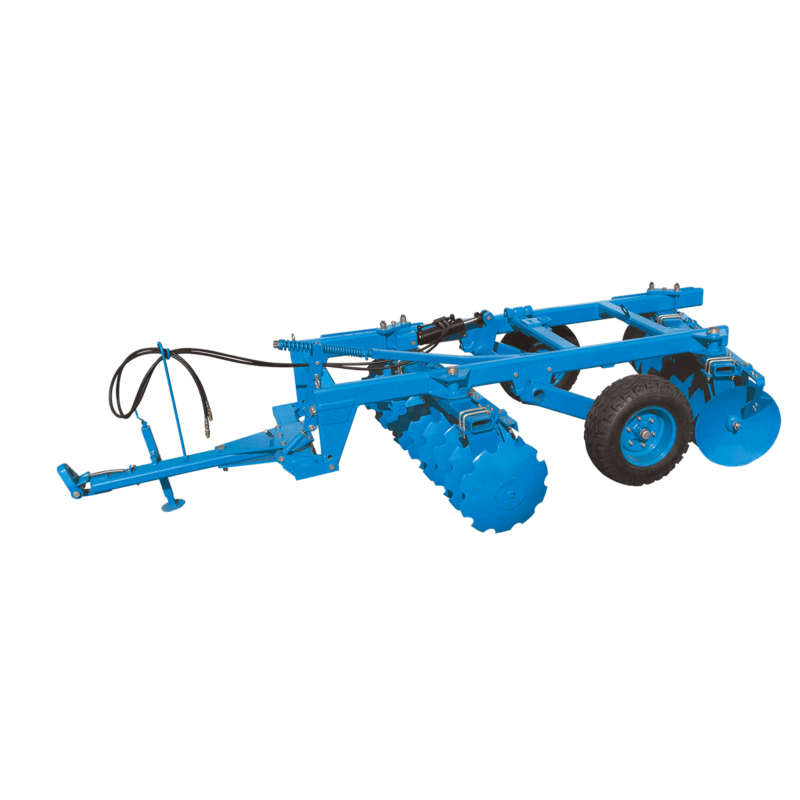
The agricultural industry is at the heart of global food production, but modern farming is increasingly dependent on advanced machinery. The development of Mounted Bottow Plow has significantly transformed farming practices, improving productivity, efficiency, and sustainability. However, this progress is not without its challenges. From meeting the demands of a growing global population to addressing environmental concerns, agricultural machinery developers are navigating a landscape filled with both obstacles and opportunities.

Challenges in Agricultural Machinery Development

One of the primary challenges facing the development of agricultural machinery is the need for high performance under diverse and often challenging field conditions. Farmers in different parts of the world deal with varying soil types, climate conditions, and terrain. A machine that works well in one location may be ineffective in another, requiring machinery developers to create versatile, adaptable machines. This diversity complicates the design and manufacturing process and demands significant innovation to ensure that agricultural equipment meets the specific needs of farmers worldwide.

Another major challenge is the cost of advanced agricultural machinery. While modern machines offer increased efficiency, they come with a hefty price tag. Small-scale farmers, especially in developing countries, often struggle to afford the latest equipment, which limits their ability to maximize productivity. While mechanization can reduce the labor costs associated with farming, the upfront investment in machinery remains a significant barrier. Additionally, the ongoing costs of maintenance, repairs, and fuel consumption can be burdensome.

Sustainability is another significant concern. Agricultural machinery development must align with the growing push for environmentally friendly farming practices. Traditional agricultural equipment often relies on fossil fuels, contributing to greenhouse gas emissions and environmental degradation. As concerns about climate change and soil health intensify, the need for machines that reduce emissions, conserve water, and minimize soil compaction is increasingly important. Designers must balance technological advancements with environmental responsibility, a delicate task that involves incorporating sustainable materials and developing energy-efficient systems.

Innovations in Agricultural Machinery Development

Despite these challenges, the agricultural machinery sector has seen remarkable innovations that address both existing and emerging issues. One of the most notable advancements is the rise of automation and precision farming. GPS technology, remote sensing, and machine learning have enabled the creation of self-driving tractors, harvesters, and planters that can operate autonomously. These innovations allow farmers to optimize field operations, reduce waste, and increase yield while minimizing the need for manual labor.

The integration of artificial intelligence (AI) and data analytics into agricultural machinery has also revolutionized farm management. These technologies enable farmers to collect and analyze vast amounts of data on soil conditions, crop health, and weather patterns. By using this data, machines can make real-time decisions, adjusting operations to optimize performance. For example, AI-driven tractors can adjust planting depth and seed spacing based on soil conditions, resulting in higher crop yields and better resource management.

Electric and hybrid-powered machinery is another breakthrough in the industry. These machines are designed to reduce the reliance on fossil fuels, lower emissions, and decrease fuel costs for farmers. Companies are investing in battery technology and fuel cell systems to create electric versions of traditional farm equipment like tractors and combines. While still in the early stages of adoption, these technologies offer significant promise in reducing the carbon footprint of agriculture.

Finally, advancements in robotics are beginning to take root in agricultural machinery. Robots equipped with sensors and cameras can now perform tasks such as weeding, pruning, and harvesting. These machines not only reduce the labor burden but also enable more precise, targeted interventions that reduce pesticide use and minimize environmental harm.

Conclusion

The development of agricultural machinery faces numerous challenges, from adapting to diverse farming conditions to addressing environmental concerns and affordability. However, innovations in automation, precision farming, electric power, and robotics are paving the way for a more sustainable and efficient future. As technology continues to evolve, the agricultural machinery sector will play a crucial role in meeting the demands of a growing global population while minimizing its environmental impact.

Business

Advancements in Rock Drilling Tools: Boosting Efficiency in Modern MiningAdvancements in Rock Drilling Tools: Boosting Efficiency in Modern Mining

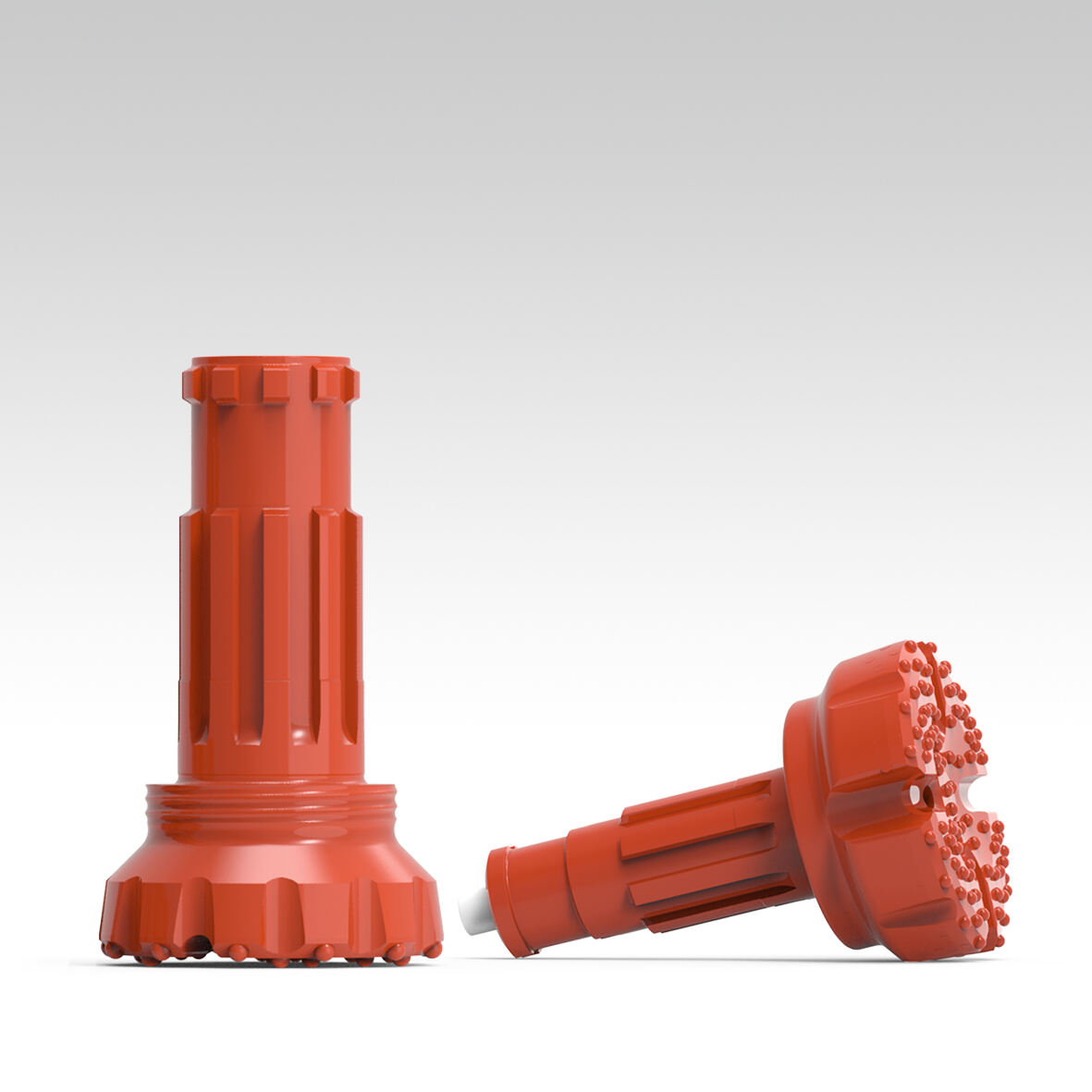
The mining industry has long relied on DTH Drill Bit tools as critical components in the extraction of minerals and resources from the earth. Over the years, technological innovation has revolutionized these tools, making mining operations faster, safer, and more cost-effective. Recent advancements in rock drilling tools are setting new standards for performance, particularly in improving penetration rates, reducing downtime, and increasing tool lifespan.

One of the most significant developments in rock drilling technology is the use of advanced materials. Modern drill bits now incorporate tungsten carbide and synthetic diamond composites, which offer exceptional hardness and durability. These materials withstand the immense stress and abrasion encountered during drilling, significantly extending the tool's operational life. Longer-lasting tools mean fewer replacements, reducing maintenance costs and minimizing interruptions in production.

Another leap forward is the refinement of tool design through computer-aided engineering. Engineers now use 3D modeling and simulation to optimize bit geometry for various rock formations. Innovations such as asymmetric bit designs and self-sharpening mechanisms enable better energy transfer and more efficient rock fragmentation. These improvements directly result in higher drilling speeds and lower energy consumption—two critical metrics in evaluating mining efficiency.

Automation and digital integration are also reshaping the landscape of rock drilling. Smart drilling systems equipped with sensors and data analytics capabilities are now commonplace in modern mining operations. These tools monitor real-time performance parameters such as torque, pressure, and vibration. By analyzing this data, operators can make precise adjustments to drilling parameters, preventing tool failure and improving hole quality. Predictive maintenance systems use this data to anticipate wear and tear, further reducing unplanned downtimes.

The adoption of down-the-hole (DTH) and top hammer drilling techniques has also played a crucial role in improving operational efficiency. DTH drilling, for example, provides better accuracy and straightness in boreholes, particularly in hard rock environments. The direct transfer of energy to the drill bit minimizes energy loss and enhances penetration rate. In comparison, top hammer drilling is ideal for shallower holes and offers faster drilling speeds in fractured or less dense rock formations.

Environmental and safety considerations are also driving innovation. Noise-reducing hammers, dust suppression systems, and vibration-damping technologies help create safer working environments for miners. Eco-friendly lubricants and coatings on drill tools are reducing environmental impact, aligning mining operations with sustainability goals.

Furthermore, collaborations between equipment manufacturers and mining companies have accelerated the pace of innovation. Custom-built tools tailored to specific geological conditions and mining methods ensure optimal performance and reduced trial-and-error on the field. Companies are also investing in training programs and digital platforms that allow operators to stay updated on the latest tool handling and maintenance techniques.

In conclusion, the advancements in rock drilling tools are transforming the mining industry by increasing operational efficiency, reducing costs, and promoting safer, more sustainable practices. As technology continues to evolve, future drilling systems will likely be even smarter, more autonomous, and tailored to meet the dynamic demands of modern mining. This continuous innovation is not just enhancing productivity—it's shaping the future of the industry.

Business