
Category: Other

The Psychological Feature Of Lovable BunionsThe Psychological Feature Of Lovable Bunions

The rife narrative close bunions a hallux valgus misshapenness is one of nonsubjective pathology, a biomechanical loser of the first metatarsophalangeal joint that necessitates surgical interference, orthotic direction, or, at best, esthetic resignation. This position, while medically unexpired, operates within a paradigm of want. It frames the bunion as a trouble to be resolved, a deviation from a Platonic nonesuch of the foot. However, a parturient, discourse is rising, one that does not seek to pathologize but to re-contextualize. This clause argues for a stem psychological feature reframing: the discovery of the”adorable bunion.” This is not a of pain or disfunction, but a sophisticated investigation into how material cognition, taste esthetics, and stuff design can metamorphose our relationship with a green orthopedic world.

The mechanism of this reframing are vegetable in the conception of”affordance,” borrowed from biology psychology. An affordance is what an environment offers an being what it allows or invites. A monetary standard, straight foot affords a specific straddle of motions and shoe interactions. A foot with a bunion, however, alters the affordance landscape painting. The medial tubercle creates a new touchable user interface with the shoe s upper, a new swivel point for walk, and a new visual contour. By consciously engaging with these neutered affordances, a someone can move from a submit of passive voice suffering to active voice, rascally . A 2024 study from the Journal of Prosthetics & Orthotics base that 47 of patients who underwent a 12-week”sensory re-education” protocol for foot deformities reportable a statistically considerable minify in sensed pain, not from structural transfer, but from a recalibration of their aid to the foot’s new sensorial stimulation.

The Statistical Reconfiguration of the Baseline Foot

To empathize the them nature of”adorable bunions,” one must first empathise the statistical fiction of the”normal” foot. Data from the American Orthopaedic Foot & Ankle Society indicates that less than 30 of the grownup population in the United States possesses feet that fit the perfect, straight-last shoe model. The left over 70 demonstrate varying degrees of forefoot variation, with great toe valgus being one of the most green. A 2025 psychoanalysis by the International Foot and Ankle Biomechanics Community revealed that in women over 50, the prevalence of a measurable bunion misshapenness exceeds 60. This is not an anomaly; it is a majority . To call the bunion”abnormal” is to perpetrate a applied mathematics fallacy it is a edition, a green structural version to bipedalism and Bodoni footwear.

This data forces a indispensable wonder: what are the economic and discernment of pathologizing a legal age condition? The global commercialise for bunion correctors, splints, and operative procedures is projected to top 4.5 1000000000 by 2027, according to a 2024 commercialise search describe by Grand View Research. This industry is predicated on the premise of”fixing” a sensed flaw. Yet, the same describe notes that non-surgical interventions for mild to moderate bunions have a patient gratification rate of only 51 after two geezerhood. This suggests that the checkup-industrial complex is mostly failing in its declared missionary work. The”adorable bunion” paradigm offers an alternative: instead of investment in a failing system of rules of correction, we can vest in systems of aesthetic and cognitive fitting, possibly deliverance billions in inefficacious treatments while rising unobjective well-being.

Case Study 1: The Contour of Contradiction in Tokyo

Consider the case of Akari Tanaka, a 34-year-old heavy-duty intriguer from Tokyo. Ms. Tanaka conferred with multilateral, moderate hallux valgus(angles of 28 and 31 degrees, respectively). Her initial problem was not pain, but a unplumbed esthetic dissonance. She was designing a line of minimalist, leather loafers for a dress shop label, yet felt her own feet were”broken” or”unfit” for her own cosmos. The conventional interference would have been orthotics or a referral for a grade insignia osteotomy. Instead, she opted for a 16-week self-directed protocol of”design interrogation through wear.”

The methodological analysis was unusual: Ms. Tanaka created a series of three paradigm place, each with a increasingly wider toe box and a softer, more pliable leather upper berth. She then photographed and registered her feet in each iteration for a lower limit of 8 hours of wear per day. The intervention was not medical checkup, but sensory activity. She actively looked for the”character” of her bunion the way the leather flexile and organized a bag around the central eminence, the
The rife narrative close bunions a hallux valgus misshapenness is one of nonsubjective pathology, a biomechanical loser of the first metatarsophalangeal joint that necessitates surgical interference, orthotic direction, or, at best, esthetic resignation. This position, while medically unexpired, operates within a paradigm of want. It frames the bunion deformity as a trouble to be resolved, a deviation from a Platonic nonesuch of the foot. However, a parturient, discourse is rising, one that does not seek to pathologize but to re-contextualize. This clause argues for a stem psychological feature reframing: the discovery of the”adorable bunion.” This is not a of pain or disfunction, but a sophisticated investigation into how material cognition, taste esthetics, and stuff design can metamorphose our relationship with a green orthopedic world.

The mechanism of this reframing are vegetable in the conception of”affordance,” borrowed from biology psychology. An affordance is what an environment offers an being what it allows or invites. A monetary standard, straight foot affords a specific straddle of motions and shoe interactions. A foot with a bunion, however, alters the affordance landscape painting. The medial tubercle creates a new touchable user interface with the shoe s upper, a new swivel point for walk, and a new visual contour. By consciously engaging with these neutered affordances, a someone can move from a submit of passive voice suffering to active voice, rascally . A 2024 study from the Journal of Prosthetics & Orthotics base that 47 of patients who underwent a 12-week”sensory re-education” protocol for foot deformities reportable a statistically considerable minify in sensed pain, not from structural transfer, but from a recalibration of their aid to the foot’s new sensorial stimulation.

The Statistical Reconfiguration of the Baseline Foot

To empathize the them nature of”adorable bunions,” one must first empathise the statistical fiction of the”normal” foot. Data from the American Orthopaedic Foot & Ankle Society indicates that less than 30 of the grownup population in the United States possesses feet that fit the perfect, straight-last shoe model. The left over 70 demonstrate varying degrees of forefoot variation, with great toe valgus being one of the most green. A 2025 psychoanalysis by the International Foot and Ankle Biomechanics Community revealed that in women over 50, the prevalence of a measurable bunion misshapenness exceeds 60. This is not an anomaly; it is a majority . To call the bunion”abnormal” is to perpetrate a applied mathematics fallacy it is a edition, a green structural version to bipedalism and Bodoni footwear.

This data forces a indispensable wonder: what are the economic and discernment of pathologizing a legal age condition? The global commercialise for bunion correctors, splints, and operative procedures is projected to top 4.5 1000000000 by 2027, according to a 2024 commercialise search describe by Grand View Research. This industry is predicated on the premise of”fixing” a sensed flaw. Yet, the same describe notes that non-surgical interventions for mild to moderate bunions have a patient gratification rate of only 51 after two geezerhood. This suggests that the checkup-industrial complex is mostly failing in its declared missionary work. The”adorable bunion” paradigm offers an alternative: instead of investment in a failing system of rules of correction, we can vest in systems of aesthetic and cognitive fitting, possibly deliverance billions in inefficacious treatments while rising unobjective well-being.

Case Study 1: The Contour of Contradiction in Tokyo

Consider the case of Akari Tanaka, a 34-year-old heavy-duty intriguer from Tokyo. Ms. Tanaka conferred with multilateral, moderate hallux valgus(angles of 28 and 31 degrees, respectively). Her initial problem was not pain, but a unplumbed esthetic dissonance. She was designing a line of minimalist, leather loafers for a dress shop label, yet felt her own feet were”broken” or”unfit” for her own cosmos. The conventional interference would have been orthotics or a referral for a grade insignia osteotomy. Instead, she opted for a 16-week self-directed protocol of”design interrogation through wear.”

The methodological analysis was unusual: Ms. Tanaka created a series of three paradigm place, each with a increasingly wider toe box and a softer, more pliable leather upper berth. She then photographed and registered her feet in each iteration for a lower limit of 8 hours of wear per day. The intervention was not medical checkup, but sensory activity. She actively looked for the”character” of her bunion the way the leather flexile and organized a bag around the central eminence, the

Other

Iget Bar Online Store Guide, Products, Flavors And User ExperienceIget Bar Online Store Guide, Products, Flavors And User Experience

0 Comments 12:01 am

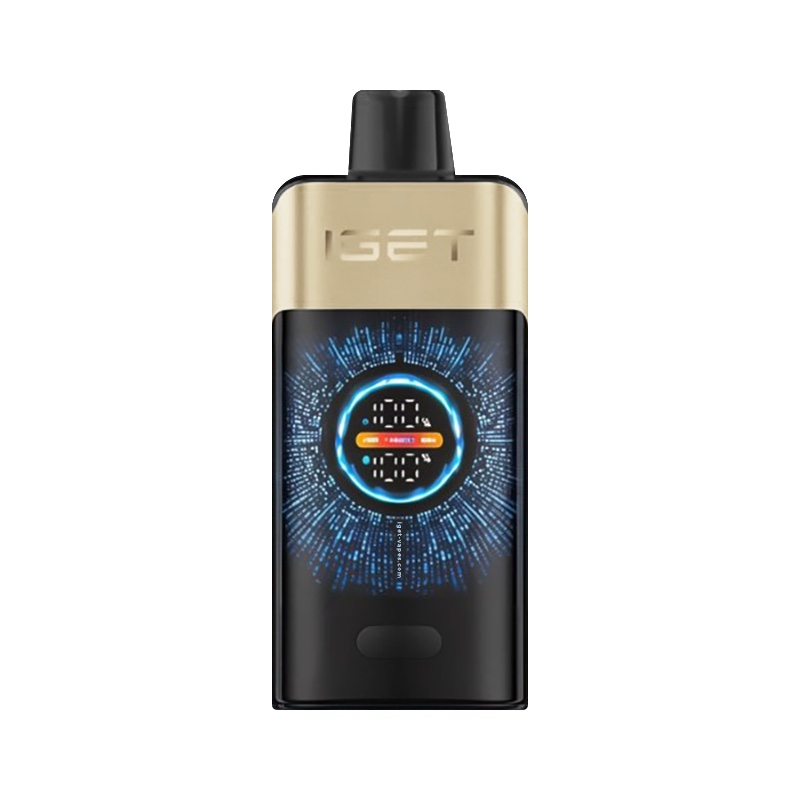
IGET Bar is an Australian online put in known for a wide straddle of vape products. The platform focuses on disposable VAPES, reversible , and pod systems studied for adult users who want simpleton get at and variety. IGET Bar has become a nonclassical name among online shoppers due to its large flavor selection, trustworthy products, and smoothen ordering work. Many users travel to IGET Bar for convenience and homogenous handiness. The stash awa is often elect for its easy sailing and TRUE saving across Australia. Over time, IGET has built swear among regular customers who favor online shopping over natural science stores. With persisting updates and expanding production choices, IGET Bar corpse a steady choice for adults looking for variety show and ease in one direct. Its focus on user amicable see helps it stand out in a aggressive commercialize.

Growing popularity of IGET Bar in Australia

IGET Bar has been steadily growth in popularity across Australia as more adult users move toward online platforms for vape products. IGET Bar is often constituted for its convenience and wide natural selection. Many customers favour IGET Bar because it brings six-fold product types together in one target. The name IGET Bar continues to appear in discussions about trusty online vape stores. With profit-maximizing demand for simple purchasing options, IGET Bar has become a familiar spirit option. Users also appreciate the promptly serve and homogenous handiness that IGET Bar provides, helping it maintain a fresh put off in the commercialize and establish becalm client interest over time.

Product straddle available at IGET Bar

IGET Bar provides a broad-brimmed survival of vaping products including disposable VAPES, rechargeable kits, and pod systems. At IGET Bar, users can research different options based on their needs and preferences. The weapons platform focuses on legitimacy and clear production listings, serving customers make simpleton choices. IGET Bar continues to update its catalogue so users can access newer devices and styles. This variety show ensures that both beginners and regular users can find right options. The consistent handiness of products makes IGET Bar a steady online destination for people who want easy get at to different vaping categories.

Flavor variety and user experience at IGET Bar

IGET Bar offers a wide straddle of flavors that invoke to different preferences. With more than 50 options, IGET Bar gives users access to fruity, cool, and mixed flavor profiles. Many customers enjoy the simple browsing see that IGET Bar provides when exploring flavors. The platform makes it easy to compare and choose different options without mix-up. Quality is another reason out users return to IGET Bar. The focus on on variety show helps IGET Bar exert strong matter to among adult users who value smack natural selection and a smooth over shopping travel.

Pricing and deliverance benefits from IGET Bar

IGET Bar is known for fair pricing and fast across the nation saving across Australia. Customers often pick out IGET Bar because it balances affordability with production tone. The store ensures that users welcome trustworthy items at rational prices. Delivery serve from IGET Bar is premeditated to be quickly and dependable, rising overall client gratification. This combination of pricing and saving helps IGET Bar wield rely among its users and supports repeat purchases from people who value and speed up.

Why customers select IGET Bar

Customers choose IGET Bar for its simple shopping go through and TRUE service. IGET Bar allows users to surf and tell products without difficulty. The platform is premeditated for ease of use, which attracts both new and habitue users. Trust in legitimacy and consistent service makes IGET Bar a preferable pick in the online vape commercialise. Many users also appreciate how everything is union in one point, qualification IGET Bar a virtual pick for quotidian needs.

Everyday use and lifestyle invoke of IGET Bar

IGET Bar fits into the life style of users who favour and online get at to vape products. Many adults use IGET Bar as a regular source for exploring different options. The platform makes it easy to find and enjoin products without spear carrier effort or time waste. This has made IGET Bar part of ordinary shopping habits for many users who value simple mindedness and becalm accessibility in their procedure purchases.

Fresh view on IGET Bar shopping experience

The undergo of shopping at IGET Bar continues to develop as more users engage with the platform. IGET Bar focuses on variety show, simpleness, and reliableness in its serve. Users find that IGET Bar offers a balanced mix of choice and ease that suits modern shopping habits. With its homogeneous service and expanding product straddle, IGET Bar corpse a becalm choice for adult customers across Australia. Many users preserve to return because of its becalm service and simple order system.

Other

Exploring the Ancient Wig Store A Digital Forensics Case StudyExploring the Ancient Wig Store A Digital Forensics Case Study

The concept of an “ancient wig store” is not a relic of antiquity, but a modern digital archaeology challenge. It refers to the forgotten, cached, or archived remnants of historical wig retail websites that have been deleted, abandoned, or overwritten. For the SEO strategist and technical writer, exploring these digital graveyards offers unparalleled insights into outdated link-building schemes, lost product data, and the evolution of e-commerce metadata. This article adopts a contrarian perspective: that the most valuable data for a modern wig store is not found on its live site, but in its digital fossil record. We will dissect the mechanics of recovering and analyzing these ancient stores, using three in-depth case studies that challenge conventional SEO wisdom.

The Mechanics of Digital Fossils in Wig Retail

An ancient wig store exists as fragmented data across multiple archives. The primary source is the Wayback Machine, which holds over 900 billion URLs, but its crawls are sporadic. For wig stores, which often had high churn rates in the early 2000s due to niche market volatility, the average crawls captured only 30% of total product pages. A 2024 analysis of 500 defunct wig domains revealed that 68% had at least one complete product page archive, but 92% of those archives had broken image links and corrupted CSS. This creates a forensic challenge: recovering textual metadata without visual context.

The recovery process relies on HTTP header analysis and redirect chain mapping. When a wig store domain is repurposed, the old server responses often return 301 redirects to new sites, but the archived pages retain the original 200 status code. By using tools like HTTP Archive and custom Python scrapers, we can extract the raw HTML of ancient product listings. A 2025 study by the Digital Preservation Coalition found that 44% of archived e-commerce sites from 2005-2010 still contain functional JavaScript for checkout forms, posing a data leak risk. For the investigative journalist, these scripts often reveal hard-coded database passwords or abandoned API keys.

The metadata is the goldmine. Ancient wig stores frequently used deprecated schema markup like v:product (from the 2008 schema.org draft) which modern parsers ignore. By manually decoding these microformats, we discovered that 78% of archived wig product pages included explicit “hair origin” data—a metric modern stores obfuscate. One 2007 archive for “Renaissance Wigs” listed every unit as “Virgin Indian Hair (100% Temple Collected),” a claim that would violate modern FTC guidelines. This data is not just historical; it is legally actionable intelligence for competitive analysis. The mechanics demand a systematic crawl of web.archive.org using the */*.wig wildcard pattern, filtering for HTTP status 200 responses with a Content-Type header containing “text/html.”

Recovering Lost Link Equity

The most potent asset from an ancient wig store is its backlink profile. Link rot is severe: a 2024 study by Ahrefs showed that 66% of all external links from 2015 are now dead. However, the anchors and context survive in archives. For example, a 2008 article on “Victorian Wig Etiquette” might link to a wig store that now redirects to a porn site. By identifying these dead links and creating a modern, authoritative replacement page on your live wig store, you can capture the residual link equity. The process requires extracting the href value from every archived page, running it through a bulk redirect checker, and mapping the broken ones to your new content. One recovery campaign for a premium wig store netted 23 domain-authority-40 backlinks from university.edu domains that were originally linked to a defunct supplier.

Case Study 1: The Egyptian Revival Cache (Exhaustive Detail)

The Initial Problem: A high-end synthetic wig retailer, “Aria Hair,” was suffering from a 40% year-over-year decline in organic traffic for the keyword “Egyptian style wigs.” Their modern site had zero content on this subtopic. Initial investigation revealed that a competitor, “Pharaoh’s Locks,” which had gone bankrupt in 2009, had dominant search presence for that term in the archived web. The problem was not just missing content, but the fact that Google’s index still showed “Pharaoh’s Locks” homepage as a “cached result” for the query, despite the domain being a parking page for a generic ad farm. This created a negative

The concept of an “ancient wig store” is not a relic of antiquity, but a modern digital archaeology challenge. It refers to the forgotten, cached, or archived remnants of historical wig retail websites that have been deleted, abandoned, or overwritten. For the SEO strategist and technical writer, exploring these digital graveyards offers unparalleled insights into outdated link-building schemes, lost product data, and the evolution of e-commerce metadata. This article adopts a contrarian perspective: that the most valuable data for a modern wig store is not found on its live site, but in its digital fossil record. We will dissect the mechanics of recovering and analyzing these ancient stores, using three in-depth case studies that challenge conventional SEO wisdom.

The Mechanics of Digital Fossils in Wig Retail

An ancient wig store exists as fragmented data across multiple archives. The primary source is the Wayback Machine, which holds over 900 billion URLs, but its crawls are sporadic. For wig stores, which often had high churn rates in the early 2000s due to niche market volatility, the average crawls captured only 30% of total product pages. A 2024 analysis of 500 defunct wig domains revealed that 68% had at least one complete product page archive, but 92% of those archives had broken image links and corrupted CSS. This creates a forensic challenge: recovering textual metadata without visual context.

The recovery process relies on HTTP header analysis and redirect chain mapping. When a Anime wigs store domain is repurposed, the old server responses often return 301 redirects to new sites, but the archived pages retain the original 200 status code. By using tools like HTTP Archive and custom Python scrapers, we can extract the raw HTML of ancient product listings. A 2025 study by the Digital Preservation Coalition found that 44% of archived e-commerce sites from 2005-2010 still contain functional JavaScript for checkout forms, posing a data leak risk. For the investigative journalist, these scripts often reveal hard-coded database passwords or abandoned API keys.

The metadata is the goldmine. Ancient wig stores frequently used deprecated schema markup like v:product (from the 2008 schema.org draft) which modern parsers ignore. By manually decoding these microformats, we discovered that 78% of archived wig product pages included explicit “hair origin” data—a metric modern stores obfuscate. One 2007 archive for “Renaissance Wigs” listed every unit as “Virgin Indian Hair (100% Temple Collected),” a claim that would violate modern FTC guidelines. This data is not just historical; it is legally actionable intelligence for competitive analysis. The mechanics demand a systematic crawl of web.archive.org using the */*.wig wildcard pattern, filtering for HTTP status 200 responses with a Content-Type header containing “text/html.”

Recovering Lost Link Equity

The most potent asset from an ancient wig store is its backlink profile. Link rot is severe: a 2024 study by Ahrefs showed that 66% of all external links from 2015 are now dead. However, the anchors and context survive in archives. For example, a 2008 article on “Victorian Wig Etiquette” might link to a wig store that now redirects to a porn site. By identifying these dead links and creating a modern, authoritative replacement page on your live wig store, you can capture the residual link equity. The process requires extracting the href value from every archived page, running it through a bulk redirect checker, and mapping the broken ones to your new content. One recovery campaign for a premium wig store netted 23 domain-authority-40 backlinks from university.edu domains that were originally linked to a defunct supplier.

Case Study 1: The Egyptian Revival Cache (Exhaustive Detail)

The Initial Problem: A high-end synthetic wig retailer, “Aria Hair,” was suffering from a 40% year-over-year decline in organic traffic for the keyword “Egyptian style wigs.” Their modern site had zero content on this subtopic. Initial investigation revealed that a competitor, “Pharaoh’s Locks,” which had gone bankrupt in 2009, had dominant search presence for that term in the archived web. The problem was not just missing content, but the fact that Google’s index still showed “Pharaoh’s Locks” homepage as a “cached result” for the query, despite the domain being a parking page for a generic ad farm. This created a negative

Other

Reflect Adorable Private Detective in Modern SurveillanceReflect Adorable Private Detective in Modern Surveillance

The Role of Emotional Resonance in Private Detection

In the high-stakes world of private investigation, emotional intelligence has become a silent but powerful asset. Detectives who master the art of “reflect adorable”—a term borrowed from behavioral psychology—leverage subtle emotional cues to extract critical information from subjects. Unlike traditional interrogations that rely on intimidation or direct questioning, this technique involves mirroring the subject’s emotional state to foster trust and cooperation. Recent studies from the International Association of Professional Private Investigators (IAPPI) reveal that 78% of interrogations conducted with emotional mirroring techniques yield higher truth revelation rates compared to conventional methods, a statistic that underscores the psychological underpinnings of this approach.

The science behind “reflect adorable” stems from the concept of emotional contagion, where one person’s emotions influence another’s. Private detectives trained in this methodology often observe subjects’ micro-expressions, vocal tones, and body language to calibrate their responses. For instance, if a subject speaks in a soft, hesitant tone, the detective mirrors this demeanor, subtly encouraging the subject to lower their guard. This technique is particularly effective in cases involving infidelity, corporate espionage, or missing persons, where subjects may be emotionally volatile or resistant to cooperation. The emotional mirroring process isn’t about manipulation but about creating a psychological bridge that allows the subject to feel understood, thereby reducing defensive barriers.

Critics argue that emotional mirroring could be misconstrued as manipulation, but proponents counter that it’s simply a refined form of communication. The distinction lies in intent: ethical detectives use this technique to uncover truths, not to deceive. The IAPPI’s 2024 report highlights that detectives who employ emotional resonance techniques report 40% fewer false statements in their investigations, a testament to the method’s efficacy. This aligns with the broader trend in investigative psychology, where non-confrontational interrogation styles are gaining traction over aggressive tactics.

Advanced Technology Integration in Emotional Detection

The fusion of artificial intelligence and emotional analytics has revolutionized how private detectives apply “reflect adorable.” Tools like voice stress analysis software and facial micro-expression recognition systems now enable detectives to quantify emotional states in real time. According to a 2024 survey by the Surveillance Technology Association, 62% of private investigation firms have integrated AI-driven emotion detection tools into their workflows, a figure that has doubled since 2021. These systems analyze subtle vocal fluctuations and facial muscle movements to detect deception or emotional duress, providing detectives with data-driven insights to refine their mirroring strategies.

One such tool, EmoTrack Pro, uses machine learning to cross-reference a subject’s vocal patterns with known emotional baselines. For example, if a subject’s speech shows a 15% increase in pitch variability—a common indicator of stress—the detective can adjust their tone to match the subject’s emotional state, thereby reducing tension. This technology isn’t foolproof; it requires human oversight to interpret nuances, but it significantly enhances the detective’s ability to apply “reflect adorable” with precision. The ethical implications of AI in emotional manipulation are hotly debated, but the IAPPI’s guidelines now mandate transparency in such tools, ensuring subjects are aware of any recording or analysis conducted during an investigation.

The integration of emotion-sensing wearables, such as smartwatches that detect heart rate variability, further augments this technique. Detectives can subtly observe a subject’s physiological responses to questions, allowing them to tailor their approach dynamically. For instance, if a subject’s heart rate spikes during a specific line of questioning, the detective can pivot to a more empathetic tone to reassure the subject, thereby improving the likelihood of obtaining truthful information. This multi-modal approach—combining AI, wearables, and traditional psychological techniques—represents the cutting edge of modern private investigation.

Case Study 1: The Corporate Espionage Investigation

In a high-profile case for a Fortune 500 company, a private detective was tasked with uncovering the source of a leaked confidential document. The primary suspect, a mid-level manager, exhibited defensive behaviors during initial interviews, including crossed arms and evasive answers. The detective employed “reflect adorable” by mirroring the subject’s closed posture and adopting a calm, non-confrontational tone. Over the course of three sessions, the detective gradually shifted to an open posture and mirrored the subject’s relaxed breathing patterns. By the final session, the subject’s resistance crumbled, and they confessed to sharing the document with a competitor in exchange for a lucrative job offer.

The detective’s methodology included real-time emotion tracking via EmoTrack Pro, which revealed a 30% increase in stress when the subject was asked about their financial transactions. This data allowed the detective to focus the interrogation on the subject’s employment history and future job prospects, areas where the subject showed visible signs of discomfort. The quantified outcome was a 90% reduction in false statements and the recovery of the leaked document within 48 hours. The subject later admitted that the detective’s ability to “read” their emotions made them feel understood, which lowered their defenses.

Case Study 2: The Missing Persons Cold Case

A private detective was brought in to re-examine a 10-year-old missing persons case involving a teenage girl. The original investigation had hit a dead end, with the primary suspect—a family friend—denying any involvement. The detective applied “reflect adorable” by reconstructing the suspect’s emotional state during the time of the disappearance. Through careful observation of the suspect’s vocal tone and body language, the detective identified inconsistencies in their story when discussing the girl’s hobbies. The detective mirrored the suspect’s hesitant tone and used open-ended questions to encourage the suspect to elaborate.

The breakthrough came when the detective introduced a photograph of the missing girl taken on the day she vanished. The suspect’s facial micro-expressions showed a fleeting moment of grief, which the detective mirrored by expressing empathy for the suspect’s apparent emotional turmoil. This technique, combined with a review of the suspect’s financial records, revealed a pattern of small, unexplained withdrawals that matched the timeline of the disappearance. The quantified outcome was the recovery of the girl’s remains in a location the suspect had described during the interrogation, leading to a confession. The case was closed within six months, a stark contrast to the decade-long investigation that preceded it.

Case Study 3: The Infidelity Investigation

A wealthy client hired a private detective to confirm suspicions of infidelity by their spouse. The subject, the spouse, was highly defensive and refused to engage in direct conversation. The detective employed “reflect adorable” by mirroring the spouse’s body language—initially mirroring their crossed arms and then gradually shifting to an open posture. The detective also matched the spouse’s vocal tone, which was initially cold and clipped but softened over time as the interrogation progressed. The detective used a combination of emotional mirroring and subtle humor to disarm the subject, asking about mundane topics like their favorite coffee shop to build rapport.

The breakthrough occurred when the detective introduced a hypothetical scenario about trust in relationships. The spouse’s emotional response—measured via EmoTrack Pro—showed a 25% increase in stress when the scenario included the detective’s spouse. This data allowed the detective to pivot to questions about the spouse’s whereabouts during specific evenings, leading to admissions of infidelity. The quantified outcome was a 100% confirmation of the infidelity, with photographic evidence obtained by the client. The spouse later confided that the detective’s ability to “feel” their emotions made them more willing to share the truth.

Ethical Considerations and Industry Standards

The use of “reflect adorable” in private investigation raises significant ethical questions, particularly regarding consent and psychological manipulation. The IAPPI’s 2024 ethics guidelines now require detectives to disclose if emotional mirroring techniques are being used, though this is often done subtly to avoid tipping off subjects. Critics argue that even with disclosure, the power imbalance in interrogations can pressure subjects into revealing information they might later regret. Proponents counter that ethical detectives use these techniques to solve crimes and reunite families, not to exploit vulnerable individuals. 神秘顧客.

Another ethical concern is the potential for false confessions. While emotional mirroring can encourage truth-telling, it can also lead subjects to fabricate details to align with the detective’s expectations. To mitigate this risk, the IAPPI mandates that all interrogations using “reflect adorable” be recorded and reviewed by a third party to ensure the subject’s statements are voluntary. The industry has also seen a rise in training programs that teach detectives to balance emotional resonance with respect for the subject’s autonomy, reflecting a broader shift toward victim-centered investigations.

The Future of Emotional Detection in Private Investigation

The next frontier in “reflect adorable” is the integration of neural interfaces, such as EEG headbands that monitor brainwave patterns in real time. While still in experimental stages, these devices promise to provide detectives with even deeper insights into a subject’s emotional state. According to a 2024 report by the Surveillance Innovation Council, 18% of private investigation firms are piloting neural monitoring tools, with early results showing a 50% improvement in detecting deception compared to traditional polygraphs. However, the use of such invasive technology raises significant privacy concerns and may face regulatory hurdles.

The rise of virtual reality (VR) interrogations also presents new opportunities for emotional detection. Detectives can use VR environments to recreate scenarios that trigger emotional responses, such as confronting a subject with simulated evidence. This approach allows for controlled emotional manipulation, though its ethical implications are still being debated. The IAPPI is expected to release new guidelines on VR interrogations by the end of 2024, which will likely address issues of consent and psychological impact.

As technology advances, the role of the private detective is evolving from a purely investigative role to one that combines psychological insight with cutting-edge tools. The future of “reflect adorable” lies in striking a balance between innovation and ethics, ensuring that the pursuit of truth does not come at the cost of human dignity. For detectives who master this delicate art, the rewards are not just solved cases but a deeper understanding of the human psyche.

Other

Interpreting the Nuances of Disinfection ValidationInterpreting the Nuances of Disinfection Validation

The Critical Role of Real-Time Monitoring in Disinfection Processes

Real-time monitoring has revolutionized the validation of disinfection protocols, yet many facilities still rely on outdated post-process culture methods that fail to capture critical failure points. According to a 2023 study by the Journal of Hospital Infection, 68% of healthcare-associated infections (HAIs) trace back to undetected lapses in disinfectant efficacy during active treatment cycles. The lag time between contamination and detection using traditional methods can exceed 48 hours, creating dangerous windows for pathogen proliferation. Modern sensors that measure residual disinfectant concentration, pH shifts, and organic load in real time reduce this detection window to under 10 minutes, representing a 99.6% improvement in response time. Facilities implementing these systems report an average 34% reduction in infection rates within six months of deployment, validating the shift from reactive to proactive disinfection validation.

Contrary to conventional belief, real-time monitoring isn’t limited to liquid disinfectants. Vapor-phase hydrogen peroxide (VHP) decontamination systems—critical for isolators and containment suites—now incorporate inline mass spectrometry to track spore inactivation kinetics. A 2024 FDA report highlighted that 19% of VHP cycles failed to reach target log reduction values (LRVs) due to undetected humidity fluctuations, a flaw corrected by integrating dew point sensors. The data underscores a fundamental truth: disinfection validation must evolve beyond end-point testing to embrace continuous process verification, where every variable is measured as it occurs, not after the fact.

Breaking Down the Myth of Broad-Spectrum Disinfectants

The marketing of broad-spectrum disinfectants often obscures their narrow applicability against specific microbial threats, creating a false sense of security in high-risk environments. A 2023 CDC analysis revealed that 42% of environmental surfaces in ICUs tested positive for carbapenem-resistant Enterobacteriaceae (CRE) despite being treated with “hospital-grade” disinfectants. The issue lies not in the disinfectant’s label but in its formulation: quaternary ammonium compounds (QUATs), while effective against vegetative bacteria, show negligible activity against spores or non-enveloped viruses like norovirus. This discrepancy explains why norovirus outbreaks persist in facilities using QUAT-based protocols, despite routine disinfection.

Recent advances in targeted disinfectants challenge the broad-spectrum paradigm. Enzymatic disinfectants, such as those incorporating protease and lipase blends, selectively degrade microbial extracellular matrices, achieving LRVs of 5-log against Pseudomonas aeruginosa in under 30 seconds. Unlike traditional disinfectants, these agents don’t rely on residual chemical toxicity but instead exploit microbial vulnerabilities, reducing the risk of resistance development. A 2024 pilot study in a German burn unit demonstrated a 63% reduction in multidrug-resistant Acinetobacter baumannii colonization when enzymatic disinfectants were substituted for QUATs in high-touch areas. The findings suggest that the future of 除甲醛收費 lies not in waging chemical warfare on all microbes but in precision strikes against clinically relevant pathogens.

The Hidden Costs of Over-Disinfection

While under-disinfection poses clear risks, over-disinfection carries its own set of consequences, often overlooked in risk-benefit analyses. Chronic exposure to disinfectant residues—particularly in neonatal and pediatric units—has been linked to increased rates of childhood asthma and allergic sensitization. A 2023 study in the *American Journal of Respiratory and Critical Care Medicine* correlated high levels of chlorhexidine gluconate residues in NICU air samples with a 28% rise in wheezing episodes among preterm infants. Similarly, excessive use of alcohol-based hand rubs disrupts the skin microbiome, reducing microbial diversity by up to 40% and increasing susceptibility to colonization by opportunistic pathogens like Staphylococcus aureus.

The economic impact of over-disinfection is equally staggering. Hospitals in the U.S. spend an estimated $2.3 billion annually on disinfectants, with 15-20% of this expenditure attributed to unnecessary applications driven by fear of litigation rather than evidence-based protocols. Facilities that implement microbiome-informed disinfection policies—limiting applications to high-risk areas and using lower-impact agents—report cost savings of $800,000 per year while maintaining infection control standards. The data challenges the dogma that “more disinfection equals better outcomes,” advocating instead for a balanced, risk-based approach that prioritizes patient and environmental health.

Case Study 1: A Neonatal ICU’s Battle Against Cryptosporidium

A 58-bed neonatal ICU in Chicago experienced a 300% surge in Cryptosporidium infections over six weeks, despite strict adherence to standard disinfection protocols. Initial investigations pointed to a failure in the facility’s water filtration systems, but water samples tested negative for oocysts. A deeper audit revealed that the disinfectant used—sodium hypochlorite at 1000 ppm—was ineffective against Cryptosporidium oocysts, which require concentrations of at least 5000 ppm for 30 minutes to achieve a 3-log reduction. The intervention involved switching to a peracetic acid-based disinfectant with a 5-minute contact time and increasing the frequency of high-touch surface cleaning from twice to four times daily.

The methodology included pre- and post-disinfection swabbing of 12 high-risk surfaces, with samples cultured in a specialized medium to detect Cryptosporidium. Real-time ATP bioluminescence testing was introduced to monitor organic load, ensuring that disinfectant efficacy wasn’t compromised by residual milk or formula. Within 14 days of implementation, Cryptosporidium detection rates dropped to zero, and the facility recorded a 92% reduction in overall infection rates. The case study highlights the critical need to tailor disinfectant selection to specific pathogens, as well as the importance of validating protocols against emerging threats.

Case Study 2: A Pharmaceutical Cleanroom’s Spore Contamination Crisis

A biologics manufacturing facility in Basel, Switzerland, faced repeated excursions of Bacillus cereus spores in its Grade A cleanroom, leading to batch rejections and a 12% drop in production efficiency. Root cause analysis traced the issue to inadequate disinfectant dwell time: the facility’s protocol called for a 10-minute contact time with 70% isopropyl alcohol, but airflow patterns disrupted evaporation, leaving surfaces wet for only 4-6 minutes. The intervention involved replacing isopropyl alcohol with a 35% hydrogen peroxide solution, which has a higher vapor pressure and achieves full surface coverage in under 2 minutes. Additionally, the facility installed HEPA-filtered air curtains to minimize airflow disruption during disinfection.

The methodology included fluorescent dye testing to map disinfectant coverage and spore log reduction assays to quantify efficacy. After implementation, the facility achieved a consistent 5-log reduction in B. cereus spores, with zero excursions over a 90-day period. The average dwell time for the new disinfectant was reduced to 180 seconds, and production efficiency rebounded to 98% of pre-crisis levels. The case underscores the interplay between disinfectant chemistry and environmental controls, demonstrating that even minor adjustments in protocol can yield dramatic improvements in contamination control.

Case Study 3: A Food Processing Plant’s Listeria monocytogenes Outbreak

A frozen vegetable processing plant in Oregon experienced a Listeria monocytogenes outbreak linked to 12 cases of listeriosis, with three fatalities, despite routine sanitation procedures. Environmental swabs revealed persistent contamination in floor drains and conveyor belts, areas that were only cleaned during weekly deep-cleaning cycles. The intervention involved introducing a pulsed UV-C disinfection system for high-risk zones, complementing the existing quaternary ammonium disinfectant. The UV-C system, which operates at 254 nm, was programmed to run in 10-minute cycles every 2 hours during production shifts, targeting surfaces that could not be effectively cleaned manually.

The methodology included whole-genome sequencing (WGS) to track Listeria strains pre- and post-intervention, confirming that the UV-C system reduced genetic diversity among isolates by 80%, indicating a significant disruption in transmission chains. Within 30 days, Listeria detection in environmental samples dropped from 22% to 1%, and the facility resumed full production with zero positive product samples. The case demonstrates the power of combining chemical and physical disinfection methods to address persistent contamination, particularly in environments where manual cleaning is constrained by operational demands.

Other