
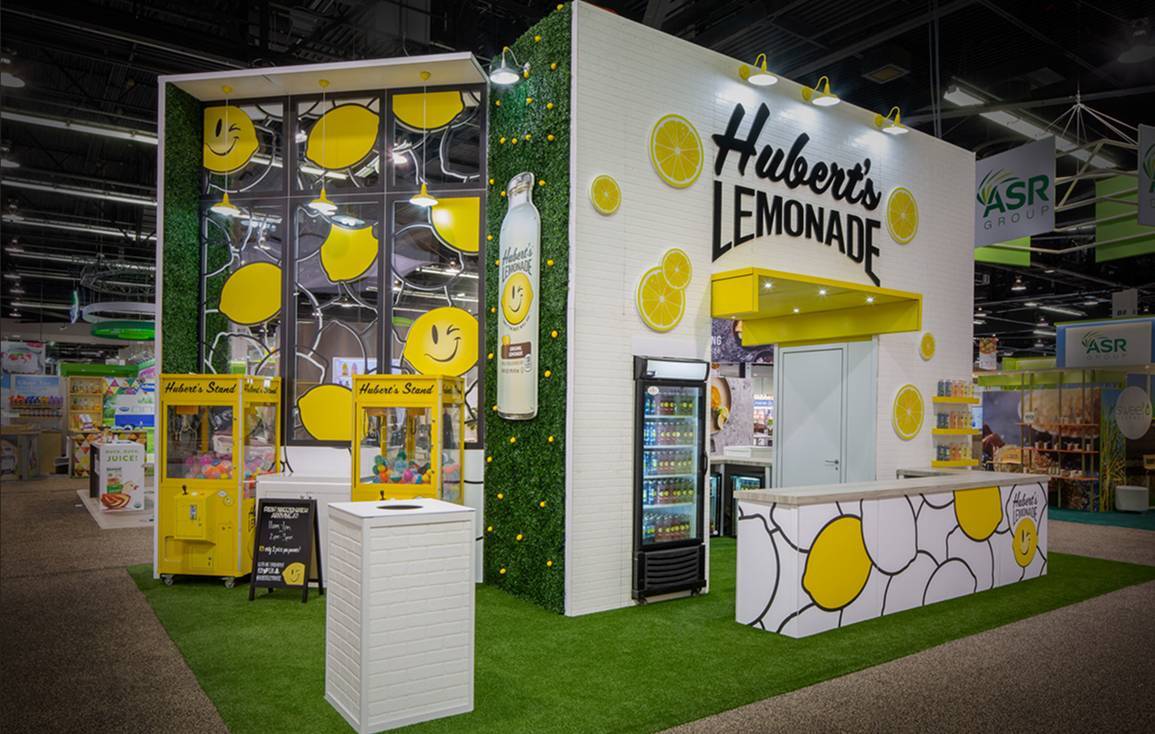
Trade shows remain one of the most powerful marketing tools for face-to-face engagement. They provide a unique environment where businesses can connect with potential clients, showcase their products, and build meaningful relationships. However, with hundreds of booths competing for attention, success depends on one critical factor booth design. A well-designed exhibit doesn’t just look good; it strategically drives traffic, engagement, and, ultimately, sales.
Let’s explore how an intentional, well-crafted exhibit can help your company maximize return on investment (ROI) and generate high-quality leads.
1. First Impressions Drive Foot Traffic
Your booth is the first impression attendees get of your brand — and it happens in seconds. A cluttered, outdated, or generic booth can turn people away before they even learn what you offer. On the other hand, a clean, professional, and visually cohesive design commands attention.
Elements like lighting, structure, and layout all contribute to your presence. For example, backlit displays and open layouts naturally invite people in, while strategic use of color reinforces brand recognition. When your booth looks polished and on-brand, visitors subconsciously associate that quality with your business itself.
A strong visual impression is the first step to converting curious passersby into engaged prospects.
2. Strategic Layouts Encourage Engagement
A beautiful booth is only half the battle — the layout determines how effectively you engage your audience. A well-thought-out floor plan directs traffic flow, creates comfortable spaces for conversation, and highlights key products or services.
The most effective layouts often follow a simple principle: attract, engage, convert. Position eye-catching graphics or displays near the aisle to draw attendees in. Once inside, offer interactive stations, product demos, or multimedia presentations to maintain interest. Finally, include a quiet area or counter space where your sales team can qualify leads and close deals.
When every element of your booth supports this natural progression, you create an effortless visitor experience that translates directly into better lead quality.
3. Interactive Elements Capture Attention
Trade-show attendees are bombarded with visual stimuli — banners, demos, giveaways, and presentations. To stand out, successful exhibitors are incorporating interactive technology into their booth design.
Touchscreens, augmented reality (AR), and product configurators allow visitors to explore offerings in a hands-on way. This interactivity keeps them engaged longer, giving your team more time to start meaningful conversations. Even something as simple as a digital prize wheel or branded photo booth can create a memorable experience while capturing valuable contact data.
When attendees actively participate, they’re more likely to remember your brand — and more likely to convert later.
4. Brand Storytelling Builds Connection
A well-designed exhibit isn’t just about graphics and gadgets — it’s about storytelling. Every design choice should communicate who you are and what you stand for. Consistent brand colors, messaging, and visuals help visitors quickly understand your company’s purpose and personality.
For example, if your brand emphasizes innovation, your booth might use modern architecture, sleek lighting, and interactive displays. If you focus on sustainability, natural textures, recycled materials, and green graphics can reinforce that message.
Effective storytelling through design helps visitors emotionally connect to your brand — and emotional connection is what turns interest into trust.
5. Smart Design Simplifies Lead Capture
Lead generation doesn’t end when someone visits your booth — it begins there. Today’s best exhibits integrate digital lead capture systems that sync seamlessly with CRM software. Instead of relying on paper sign-up sheets or random business cards, exhibitors are using tablets and QR codes to instantly collect visitor data.
This streamlined process helps your team focus on conversations instead of logistics. Plus, it ensures you leave the show with accurate, organized contact lists ready for follow-up.
Combining an intuitive booth layout with smart technology keeps your team efficient and your leads high-quality.
6. Post-Show ROI Depends on Pre-Show Design
A big part of maximizing ROI happens before the trade show even begins. By designing your booth around measurable goals — such as collecting a certain number of qualified leads or booking on-site demos — you set your team up for success.
A design partner can help you tailor your booth to meet those objectives. For example, if your goal is to promote a product launch, you might include large product displays and digital screens showcasing features. If lead generation is your focus, an open, inviting floor plan with multiple engagement zones might be more effective.
Strategic design ensures every element of your booth contributes to your overall ROI.
7. Partnering with the Right Exhibit Company
Designing a high-performing trade-show exhibit requires creativity, strategy, and expertise. Partnering with an experienced exhibit company ensures that your design not only looks great but also aligns with your goals.
A company like ExpoMarketing can help you create a booth that draws in attendees, communicates your message clearly, and converts interest into results. From custom builds to modular rentals, their team understands how to balance aesthetics with functionality for measurable outcomes.
The Takeaway
A well-designed exhibit is more than a display it’s a lead-generation engine. By combining striking visuals, interactive elements, strategic flow, and clear branding, your booth becomes a powerful marketing tool that drives engagement and delivers ROI.
When your booth design is built with purpose, your brand doesn’t just show up at a trade show it stands out, connects, and converts.