
Anecdotal Rhythm: Finding Beauty in Molten Beginnings
Imagine wandering through a bustling artisan market—your eyes are drawn to a gleaming pendant. As you inquire, you’re surprised to hear it’s the product of custom jewelry casting. Today, more than ever, this age-old art blends with cutting-edge techniques, forever altering the landscape of personalized adornments. But what if the real magic lies in what you don’t see? — the intricate dance of metal and creativity. It stirs a question: How does this process hold an artist’s vision and still excite the modern buyer? (Here’s the secret: it does.) As we delve further, let’s explore what makes custom jewelry casting a gem in both tradition and trend.
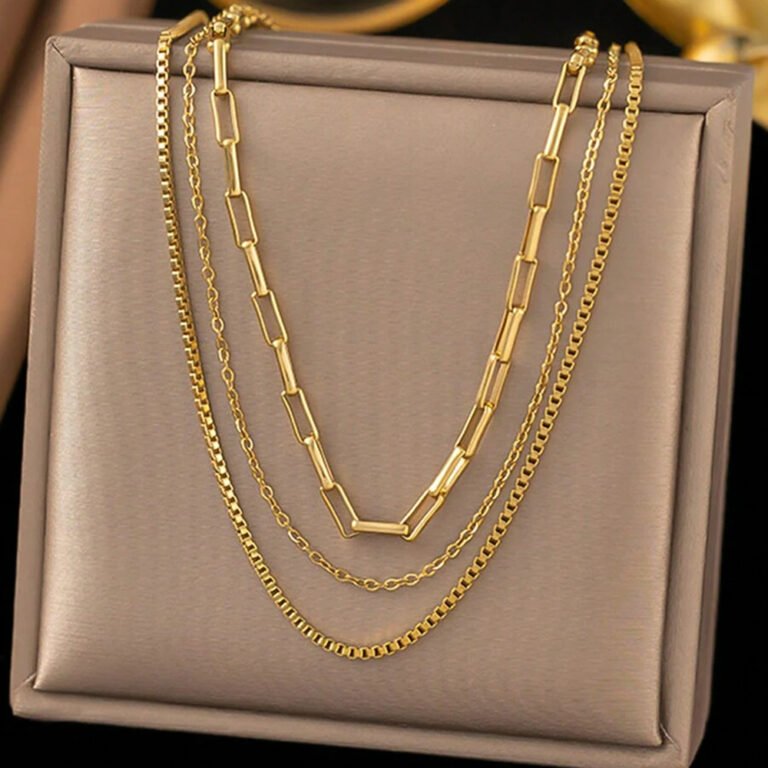
Rhetorical Inquiry: Why Traditional Methods Fall Short
The art of jewelry casting has been around for centuries, a staple in transforming raw materials into cherished pieces. But could the traditional approach, revered as it is, be shackling innovation? The venerable lost-wax method, despite its historical significance, may miss the mark in accommodating intricate designs that detailed-edge computing nodes require today. Enter the realm of custom jewelry casting, which embraces modern machinery—melding tradition with technology like power converters in the digital age. In a landscape ever hungry for detail, the drawbacks of old methods become glaringly apparent, don’t they? Modern clients crave customization with precision, not just a relic of history on their finger or wrist. Look, it’s simpler than you think: embracing modern casting methods can eliminate flaws, offering designers the flexibility to craft beyond boundaries.
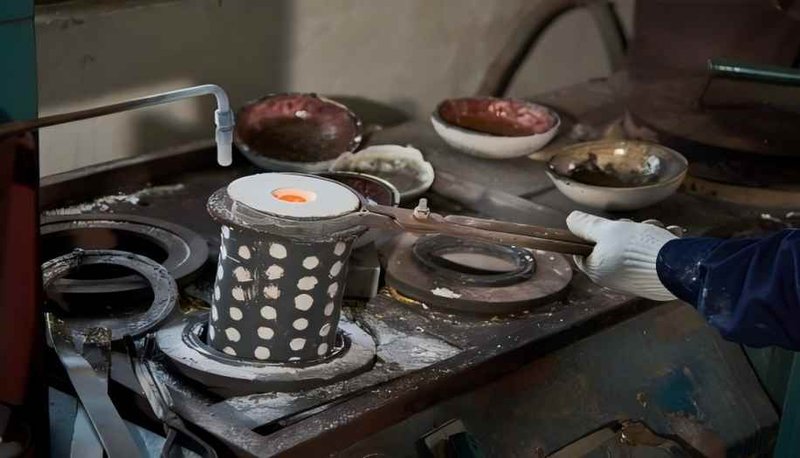
Technical Exploration: New Principles of Jewelry Crafting
Step into the future, where each piece tells a story penned by innovative technology principles. Custom jewelry casting is now a beacon not just of style, but also precision engineering. It harnesses advanced techniques such as 3D printing and computer-aided design (CAD), serving as the power converters of creativity. The transition from artisans manually carving wax patterns to digital models means unprecedented accuracy—matters, doesn’t it? These new modalities facilitate a seamless transference of vision from artist to alloy, ensuring every curve and facet is as intended.
Real-world Impact
Consider a tailor-made engagement ring. Thanks to custom jewelry casting, this once daunting process becomes an achievable dream for customers. As artisans and engineers collaborate, what once was a time-consuming, error-laden task is now swift and spot-on. With every iteration, the cast achieves greater fidelity — funny how that works, right? The benefits reverberate through timelines and budgets, proving time is as valuable as the precious metals used in crafting the jewelry itself.
So, here’s the scoop: Custom jewelry casting isn’t just a method; it’s an intersection of heart and smart tech — a harmonious dance leading to unique creation. Lessons learned? Embrace the new while respecting the craft’s roots, measure skill by adaptability, and distill passion into technique. To find more on how this evolving art unfolds, visit Star Harvest. After all, every masterpiece begins with a single spark of innovation.